

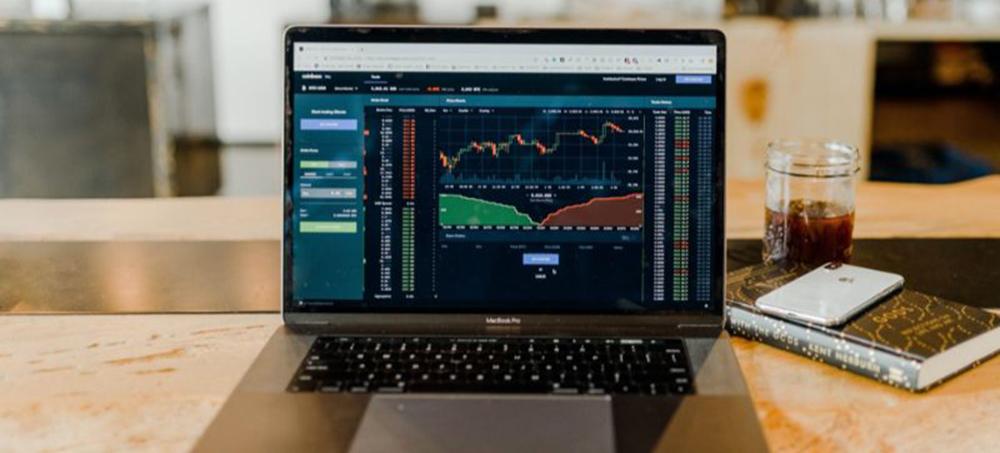
Currency trading, also known as forex trading or foreign exchange trading, is one of the largest financial markets in the world. Every day, trillions of dollars are exchanged globally as traders, businesses, and governments buy and sell currencies.
For beginners, the forex market may seem complicated at first. However, understanding the core concepts can help you build a strong foundation and avoid common mistakes.


What Is Currency Trading?
Currency trading involves buying one currency while simultaneously selling another. Currencies are traded in pairs because the value of one currency is compared against another. Currency trading involves buying and selling currencies in the global market.
Some common currency pairs include:
- EUR/USD (Euro vs US Dollar)
- GBP/USD (British Pound vs US Dollar)
- USD/JPY (US Dollar vs Japanese Yen)
- AUD/USD (Australian Dollar vs US Dollar)
For example:
If you believe the Euro will strengthen against the US Dollar, you may buy EUR/USD. If the Euro rises in value, you can potentially make a profit.
How the Forex Market Works
Unlike stock markets, the forex market operates 24 hours a day during weekdays. Trading happens electronically through banks, financial institutions, brokers, and online trading platforms.
The forex market is divided into major trading sessions:
- Sydney Session
- Tokyo Session
- London Session
- New York Session
The highest trading activity often occurs when the London and New York sessions overlap.


Major Participants in Currency Trading
Several groups participate in the forex market:
Central Banks
Central banks influence currency values through interest rates and monetary policies.
Commercial Banks
Large banks facilitate international transactions and trade currencies daily.
Businesses
Companies involved in international trade exchange currencies for imports and exports.
Retail Traders
Individual traders use online platforms to speculate on currency price movements.
Investment Funds
Hedge funds and institutional investors trade currencies to diversify portfolios and manage risks.
Basic Forex Trading Terms
Pip
A pip is the smallest price movement in a currency pair.
Spread
The spread is the difference between the buying price and selling price.
Leverage
Leverage allows traders to control larger positions using smaller amounts of capital.
Lot Size
A lot refers to the size of a forex trade.
Margin
Margin is the amount required to open a leveraged trading position.


Why People Trade Forex
Many traders are attracted to forex trading because of:
- High market liquidity
- 24-hour market access
- Potential profit opportunities
- Ability to trade rising or falling markets
- Flexible trading strategies
However, forex trading also carries significant risks, especially for inexperienced traders.
Common Forex Trading Strategies for Beginners
Trend Trading
This strategy involves trading in the direction of the market trend.
Breakout Trading
Traders look for price movements outside key support or resistance levels.
Swing Trading
Swing traders hold positions for several days to capture medium-term market movements.
Scalping
Scalping focuses on making multiple small trades within short timeframes.
Beginners are usually encouraged to start with simple strategies and focus on risk management.


Risk Management Tips
Successful trading is not only about profits — it’s also about protecting your capital.
Important risk management practices include:
- Never risk more than you can afford to lose
- Use stop-loss orders
- Avoid excessive leverage
- Maintain emotional discipline
- Keep a trading journal
Consistent risk management can help reduce large losses during volatile market conditions.
Choosing a Forex Broker
Before trading, it’s important to select a reliable broker. Consider factors such as:
- Regulation and licensing
- Trading fees and spreads
- Trading platform features
- Customer support
- Educational resources
A trustworthy broker can greatly improve your trading experience.
The Importance of Market Analysis
Forex traders generally use two main types of analysis:
Fundamental Analysis
This involves evaluating economic indicators, interest rates, inflation, and geopolitical events.
Technical Analysis
Technical analysis uses charts, indicators, and price patterns to identify potential trading opportunities.
Many successful traders combine both approaches.


Beginner Mistakes to Avoid
New traders often make mistakes such as:
- Overtrading
- Ignoring risk management
- Trading emotionally
- Using too much leverage
- Chasing losses
Learning patience and discipline is essential for long-term success. New traders often enter the market without understanding the risks involved.
Final Thoughts
Currency trading offers exciting opportunities for individuals interested in global financial markets. While forex trading can be rewarding, it also involves risks that require proper education, strategy, and discipline.
As a beginner, focus on learning the basics, practicing with demo accounts, and developing a consistent trading plan before risking real money.
With time, experience, and careful risk management, you can build the skills needed to navigate the forex market more confidently.
